
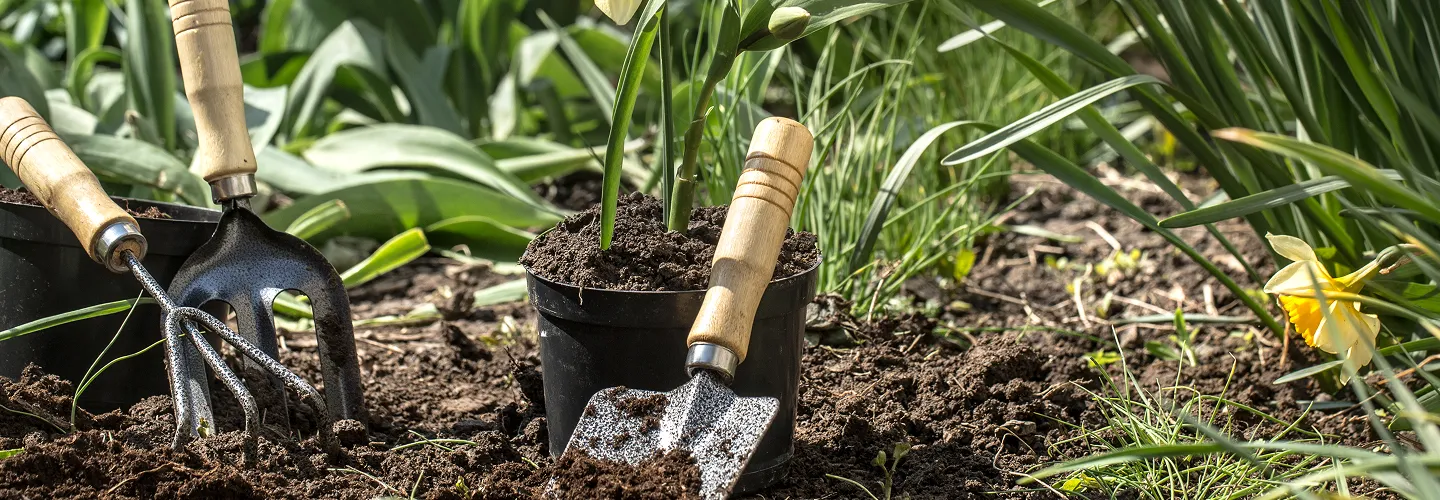
San Tan Ranch Flower Bed Maintenance Services
Choose our Flower Bed Maintenance for expert care, vibrant blooms, and a weed-free landscape that enhances your home's curb appeal all year round.
Get a Free QuoteOur San Tan Ranch Landscaping & Yard Care Services
When to Schedule Flower Bed Maintenance in San Tan Ranch, Arizona – Seasonal Guide
In San Tan Ranch, Arizona, timing your flower bed maintenance is crucial for vibrant, healthy landscapes. The region’s unique climate—marked by hot, dry summers and mild winters—means that the best periods for maintenance are typically early spring and late fall. These windows allow you to prepare beds before the intense summer heat or after the monsoon season, when soil moisture is optimal and plants are less stressed. Local neighborhoods like Cortina and Power Ranch often experience microclimates due to varying shade coverage and proximity to greenbelts, so it’s important to tailor your schedule accordingly.
Environmental factors such as the area’s average last frost date in late February, the risk of summer drought, and the prevalence of caliche-rich soils all play a role in determining the right time for flower bed care. For residents near San Tan Mountain Regional Park or along Sossaman Road, understanding these local nuances ensures your beds thrive year-round. For more information on local climate and gardening resources, visit the Sudbury town website.
Local Factors to Consider for Flower Bed Maintenance in San Tan Ranch
- Tree density and shade coverage, especially in established neighborhoods
- Soil type, including caliche and sandy loam variations
- Seasonal precipitation patterns and monsoon timing
- Municipal watering restrictions and HOA guidelines
- Proximity to natural landmarks or greenbelts
- Terrain slope and drainage characteristics
Benefits of Flower Bed Maintenance in San Tan Ranch
Enhanced Curb Appeal
Weed and Pest Control
Healthier Plant Growth
Seasonal Color Management
Professional Expertise
Time and Effort Savings
San Tan Ranch Flower Bed Maintenance Types

Seasonal Mulching
-
Weed Control Services
-
Soil Amendment
-
Plant Pruning and Trimming
-
Fertilization Programs
-
Pest and Disease Management
-
Irrigation System Checks
Our Flower Bed Maintenance Process
Site Evaluation
Weed Removal
Soil Preparation
Plant Care
Mulching
Why Choose San Tan Ranch Landscape Services
-
San Tan Ranch Homeowners Trust Us
-
Expert Lawn Maintenance
-
Reliable Irrigation Solutions
-
Comprehensive Weed Control
-
Competitive Pricing
-
Professional Team
-
Satisfaction Guarantee
Coordinating Flower Bed Maintenance with San Tan Ranch's Municipal Programs
San Tan Ranch is a master-planned community within the Town of Gilbert, and residents should coordinate flower bed maintenance activities with Gilbert's municipal departments to ensure compliance with local infrastructure and environmental standards. Green waste generated from flower bed cleanups—including spent annuals, pulled weeds, and trimmed perennials—must be disposed of according to the town's bulk collection and organic waste guidelines. Property managers maintaining beds adjacent to sidewalks, curb inlets, or retention basins should ensure that soil, mulch, and plant debris do not migrate into the public right-of-way or storm drainage system. The Gilbert Public Works Department oversees green waste collection schedules and right-of-way maintenance standards that directly affect how flower bed debris is handled at the curb.
- Verify current green waste bundling and container requirements through Public Works before scheduling seasonal bed cleanups
- Keep loose soil, decomposed granite, and organic debris away from curb inlets and drainage channels during bed renovation
- Coordinate with HOA landscape committees where community common-area beds are maintained alongside private lots
Gilbert Public Works Department
Official Website: Gilbert Public Works Department
The Gilbert Parks & Recreation Department also maintains public landscape standards in parks and common areas throughout San Tan Ranch, and residents may reference those standards when selecting plant palettes or mulch types for beds visible from public spaces.
How San Tan Ranch's Desert Heat and Alkaline Soils Affect Flower Bed Health
San Tan Ranch sits in the Phoenix metro low-desert region, classified within USDA Hardiness Zone 9b to 10a, where summer temperatures routinely exceed 110°F and frost events are infrequent but possible between December and February. These conditions impose specific demands on flower bed maintenance that differ substantially from temperate-climate practices.
- Soil alkalinity: Native soils in the Gilbert area tend toward alkaline sandy loam with pH levels commonly above 7.5, which can limit iron and micronutrient availability for flowering plants and necessitate soil amendments or chelated iron applications
- Caliche layers: Subsurface caliche—a calcium carbonate hardpan—may impede drainage in flower beds, causing root rot in species that require well-drained conditions
- Reflected heat: Block walls, concrete walkways, and decorative rock mulch radiate stored heat onto adjacent beds, intensifying thermal stress on shallow-rooted annuals and perennials
- Monsoon runoff: July through September monsoon storms deliver intense, short-duration rainfall that can wash mulch out of beds, erode amended soil, and deposit sediment into nearby retention basins or storm drains
- Irrigation dependence: Between April and October, flower beds require consistent drip irrigation because natural precipitation is insufficient to sustain most ornamental plantings
The Arizona Department of Water Resources provides landscaping guidance that encourages hydrozoning—grouping plants by water need—to reduce waste and protect bed health in arid conditions.
Regulatory Requirements for Flower Bed Maintenance in San Tan Ranch
Flower bed maintenance in San Tan Ranch falls under several regulatory frameworks at the municipal and state level. While routine deadheading, weeding, and mulch replenishment generally do not require permits, certain activities may trigger compliance obligations that property owners and service providers should understand.
- Stormwater compliance: Gilbert operates under Arizona's Phase II MS4 stormwater program. Soil, fertilizer, and organic debris from flower bed work must not enter the municipal storm sewer system. The Arizona DEQ stormwater program outlines pollutant discharge prevention requirements that apply to landscape maintenance activities
- Pesticide and herbicide licensing: Any commercial application of herbicides or insecticides in flower beds requires proper licensing through the Arizona Department of Agriculture Office of Pest Management, in accordance with Arizona Revised Statutes Title 3
- Noxious weed management: The Arizona Department of Agriculture maintains a list of regulated noxious weeds; property owners should ensure that invasive species such as buffelgrass are removed from flower beds before they set seed
Gilbert Environmental Compliance
Official Website: Gilbert Environmental Compliance
Property owners undertaking larger bed renovations that involve grading changes, soil import, or drainage modifications near washes or retention areas should confirm whether review is required through the Gilbert Engineering Services division.
Timing Flower Bed Maintenance Around San Tan Ranch's Seasonal Extremes
Professional flower bed maintenance in San Tan Ranch follows a seasonal rhythm dictated by the low-desert climate. Scheduling tasks during appropriate windows protects plant health, reduces water waste, and minimizes the risk of monsoon-related damage.
- Fall planting (October–November): The primary window for installing cool-season annuals such as petunias, snapdragons, and pansies; soil temperatures have dropped enough for root establishment before winter
- Spring transition (March–April): Remove spent cool-season flowers and prepare beds for warm-season plantings such as vinca, lantana, and desert marigold; apply fresh mulch before summer heat intensifies
- Pre-monsoon preparation (June): Secure mulch borders, check drip emitter function, clear bed edges of accumulated debris, and ensure drainage paths are unobstructed before storm season
- Irrigation emitter audits: Inspect drip lines and emitters at least quarterly; clogged or misaligned emitters cause dry spots that kill flowering plants rapidly in summer heat
- Deadheading and cleanup: Remove spent blooms regularly to encourage continued flowering and reduce pest habitat; dispose of clippings properly rather than allowing accumulation in beds
- Mulch depth management: Organic mulch or decorative rock should be maintained at a consistent depth to suppress weeds and moderate soil temperature; verify that mulch does not bury plant crowns or block emitter output
Weed suppression is most effective when pre-emergent treatments are applied before the late-winter germination flush and again before monsoon season triggers a second wave of weed growth. All chemical applications should follow runoff-prevention protocols to protect nearby drainage infrastructure.
What Neighborhoods Do We Serve Throughout San Tan Ranch, AZ?
- San Tan Ranch: The core master-planned community features uniform lot sizes with decorative rock and drip-irrigated flower beds along entryways and front yards, where HOA appearance standards guide plant selection and mulch type
- San Tan Heights: Slightly elevated lots in this area experience increased wind exposure and reflected heat from surrounding hardscape, requiring more frequent emitter checks and mulch replenishment in flower beds
- Power Ranch: Adjacent to San Tan Ranch, this established community includes mature landscape plantings with larger flower bed areas that benefit from seasonal soil amendment and irrigation audits
- Spectrum at Val Vista: Newer construction in this area often features compacted subdivision fill beneath flower beds, which may require soil loosening and organic amendment to support healthy root development
- Seville: Properties in Seville commonly include courtyard-style flower beds with significant wall-reflected heat, making shade-tolerant and heat-adapted species essential for sustained bloom performance
- Agritopia: This nearby community emphasizes edible and ornamental plantings, and flower bed maintenance here often integrates pollinator-friendly species alongside traditional ornamental selections